Scrolling and Scrawling
"Abstract Concepts," an exhibition of conceptual abstract art at Agitator Gallery in Chicago, show opening Sep. 6

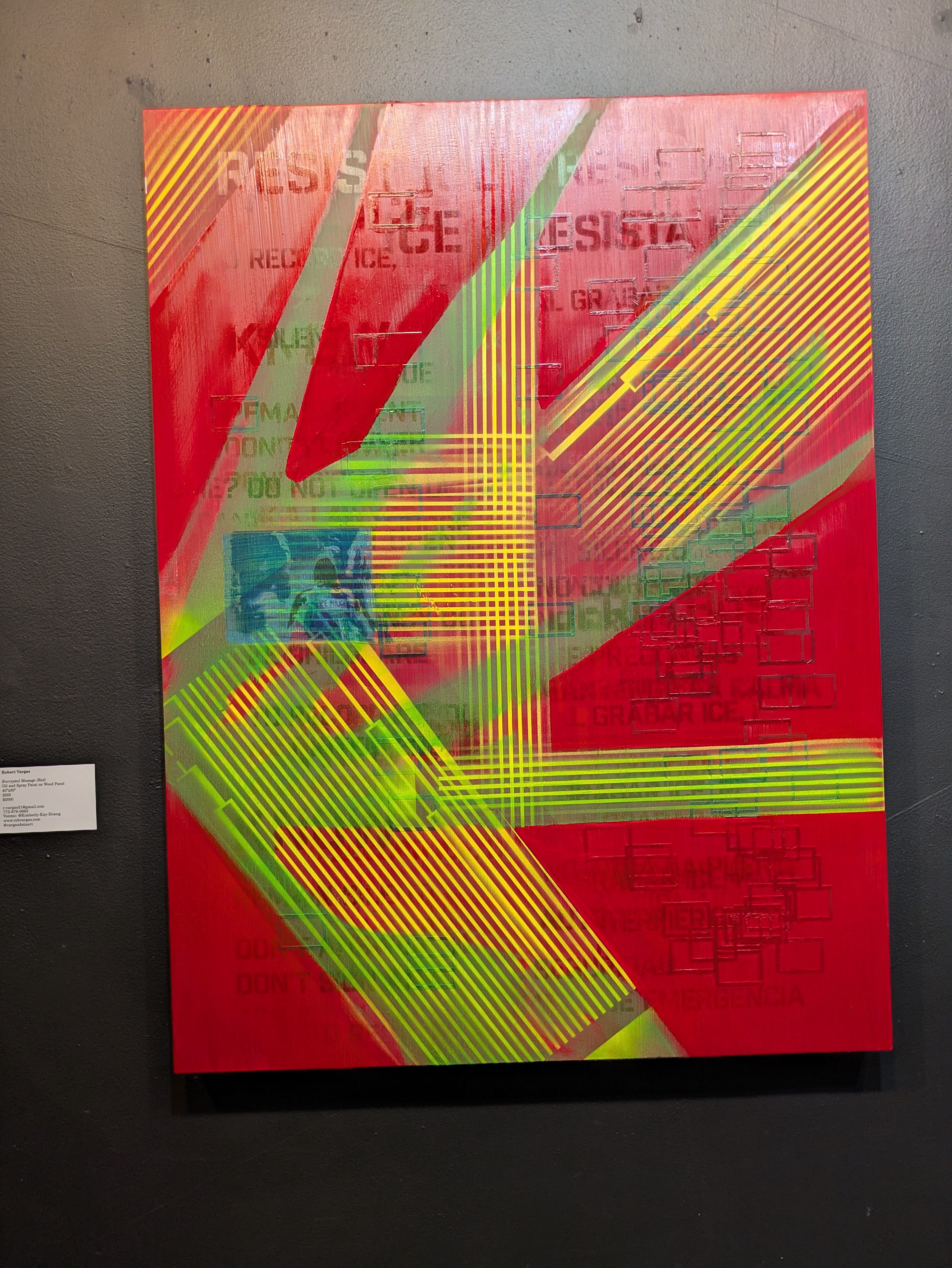
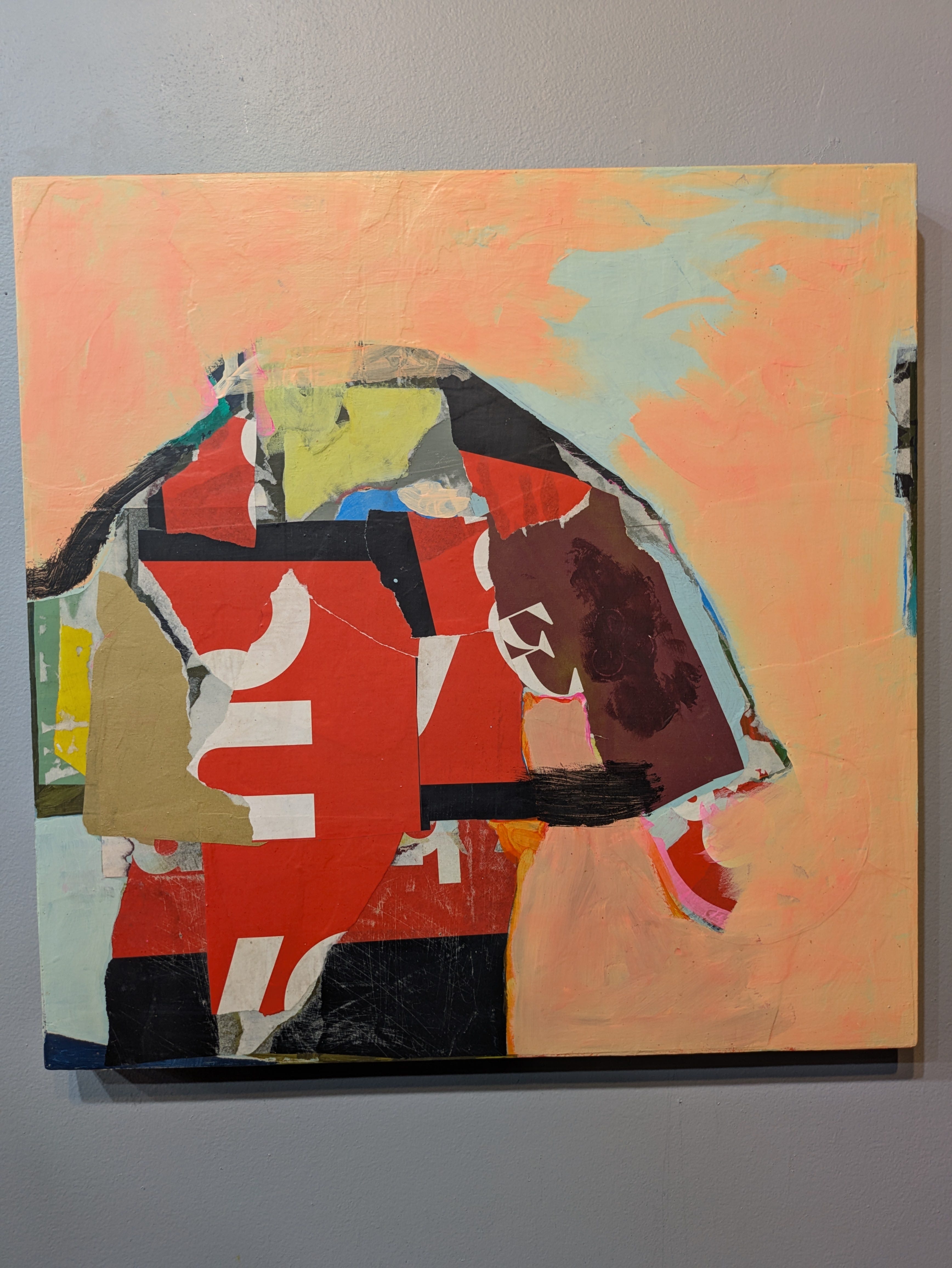
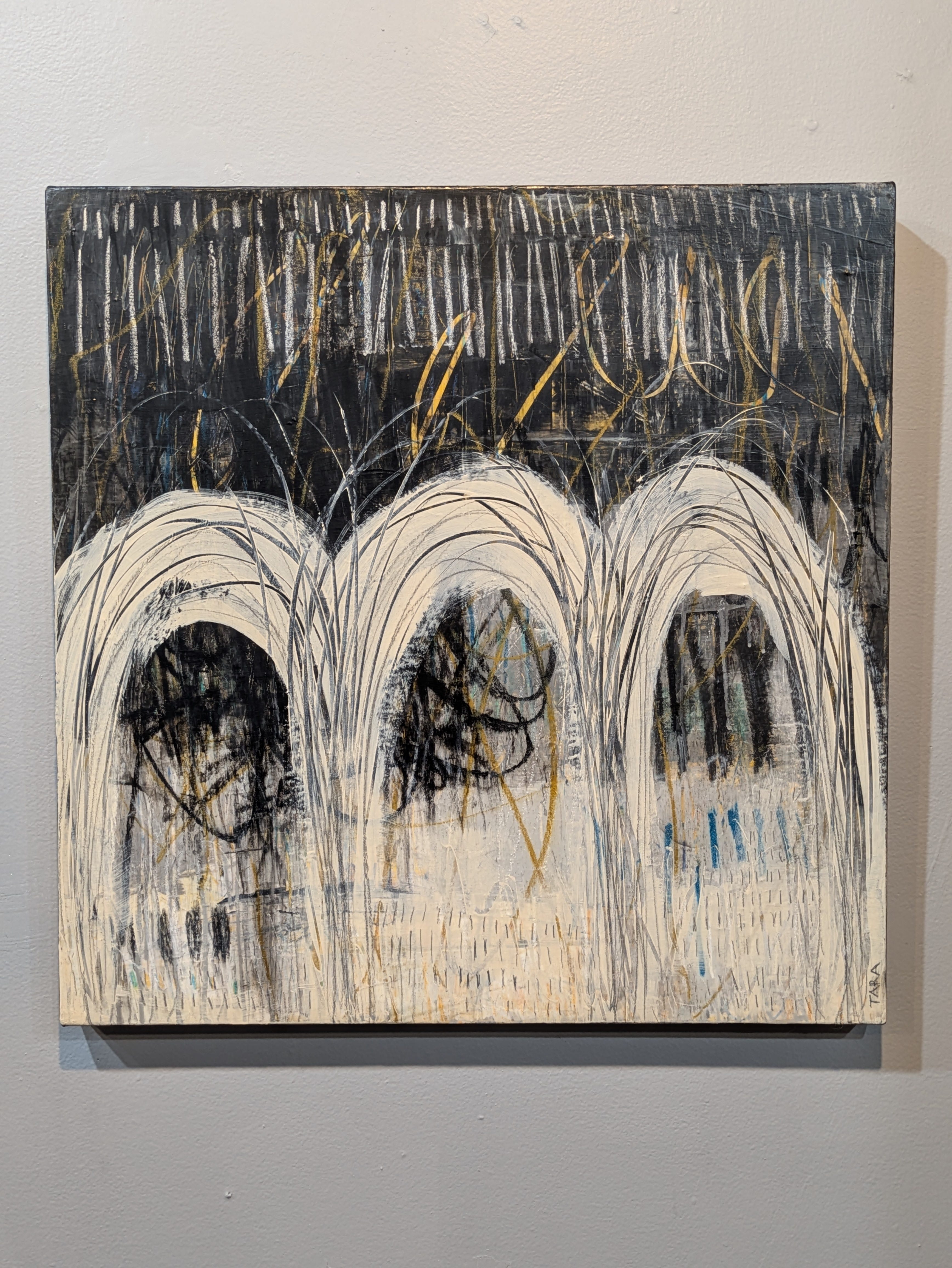
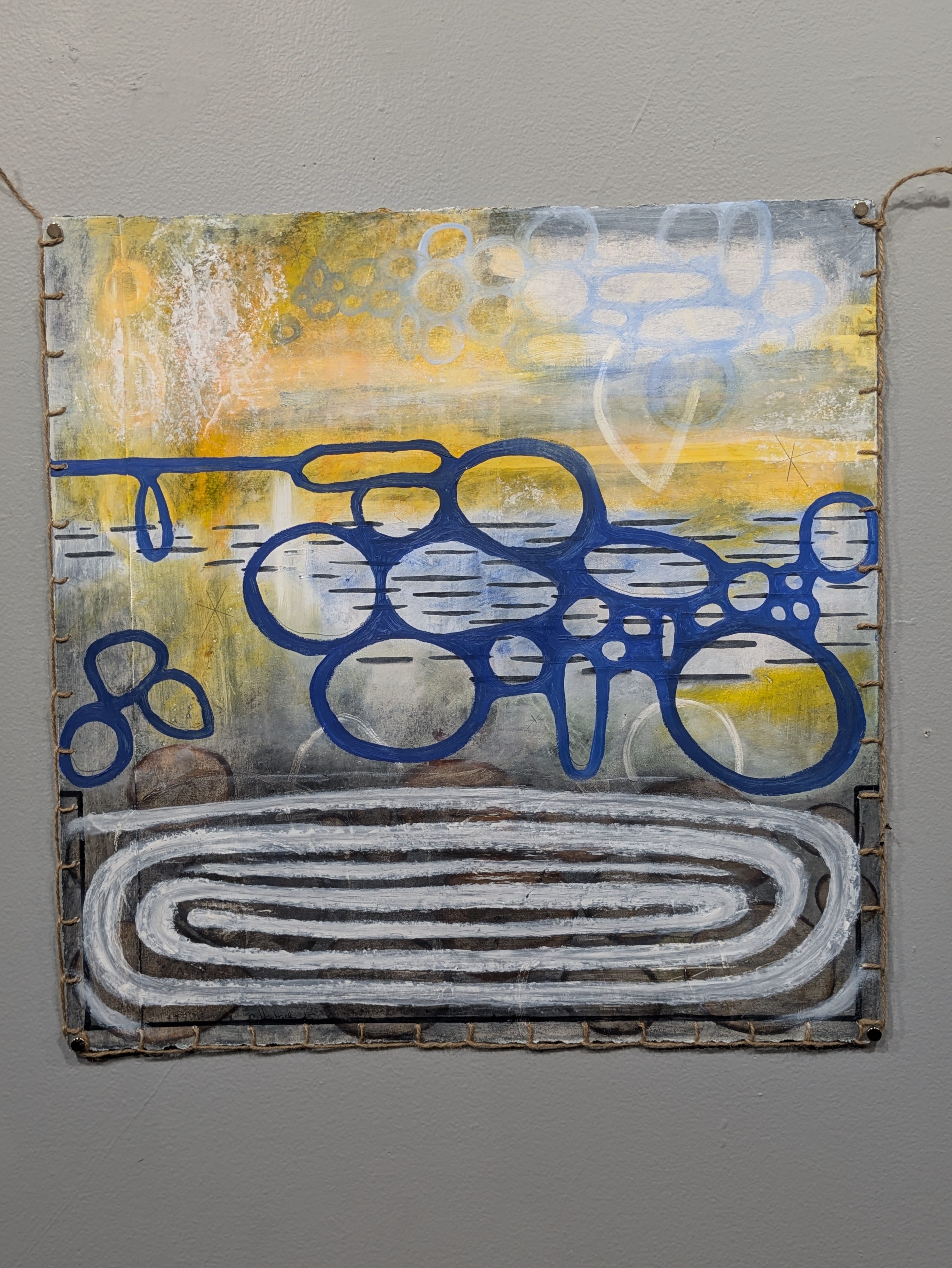
Fast-forwarding through meaning, leaving only traces of the expected gestures of communication, this show is additional confirmation of a trend I’ve noted of artists setting aside brightness, bombast and carefully crafted pop-culture idiocy; shuffling away from the class show-off toward the one in the back passing around tightly folded-up notes written in smudgy pencil.


“Abstract Concepts” opened at Agitator Gallery in Logan Square on September 6th. Although in the show’s notes curator Alex Wilson claims emphasis on diversity and broadness of concept in his choices, he has (diversity notwithstanding) hit on a consensus of artistic reaction to the current moment — depiction of a post-legibility era, where the traditional practices of literate communication are noteworthy now only in the absurdity they embody.
This show comes across as a rare combination of street-level energy and high ambition. The exhibition catalog is in the form of an attractively-presented limited edition of digital prints of all the works in the show, at an affordable price. If you feel priced out of collecting the works themselves, I recommend getting the catalog. It may turn out to be an important document.


Azadeh Hussaini’s Vestiges of Veracity is newspaper with the appearance of having burnt to a crisp, and still mid-smolder. It’s striking in its dimensionality, producing the feeling of being in the presence of a past emergency that one somehow did not notice happening.


Jason Greenberg’s triptych of prints is the most conceptually ambitious of the show. Each print depicts, verbally and in its composition and typesetting, an art work by a friend of the artist — and the three works that provided the inspiration are locked up out of sight in the gallery basement. The hidden art works are archetypes, broken promises, and invitations to spurious imagination. Leaving Greenberg’s works themselves to serve in the role of — what?


Martina Nehrling took an excerpt from a work in progress in her grandmother’s poetry notebook and screen-printed multiple overlapping copies of it. Repetition and recollection without resolution:


Jeannie Hua’s Birthmarks, on handmade Japanese mulberry paper, blurs the boundaries between impressions of flesh, document, entrail reading and historical artifact — suggesting hidden meaning but providing none:


More divination of the scratchings of an idiot future — Daniel Hojnacki deposits soot on glass plates, then makes silver gelatin prints of the patterns:


Jason Futhey’s harmonia, an archival print with acrylic paint and ink added, depicts something from an alien perspective, a grid which delimits but does not define: